

WhatsApp Status Ads Are Here: What They Mean for Businesses in 2026

Written by
WappCloud Team

Post date
17 July 2026
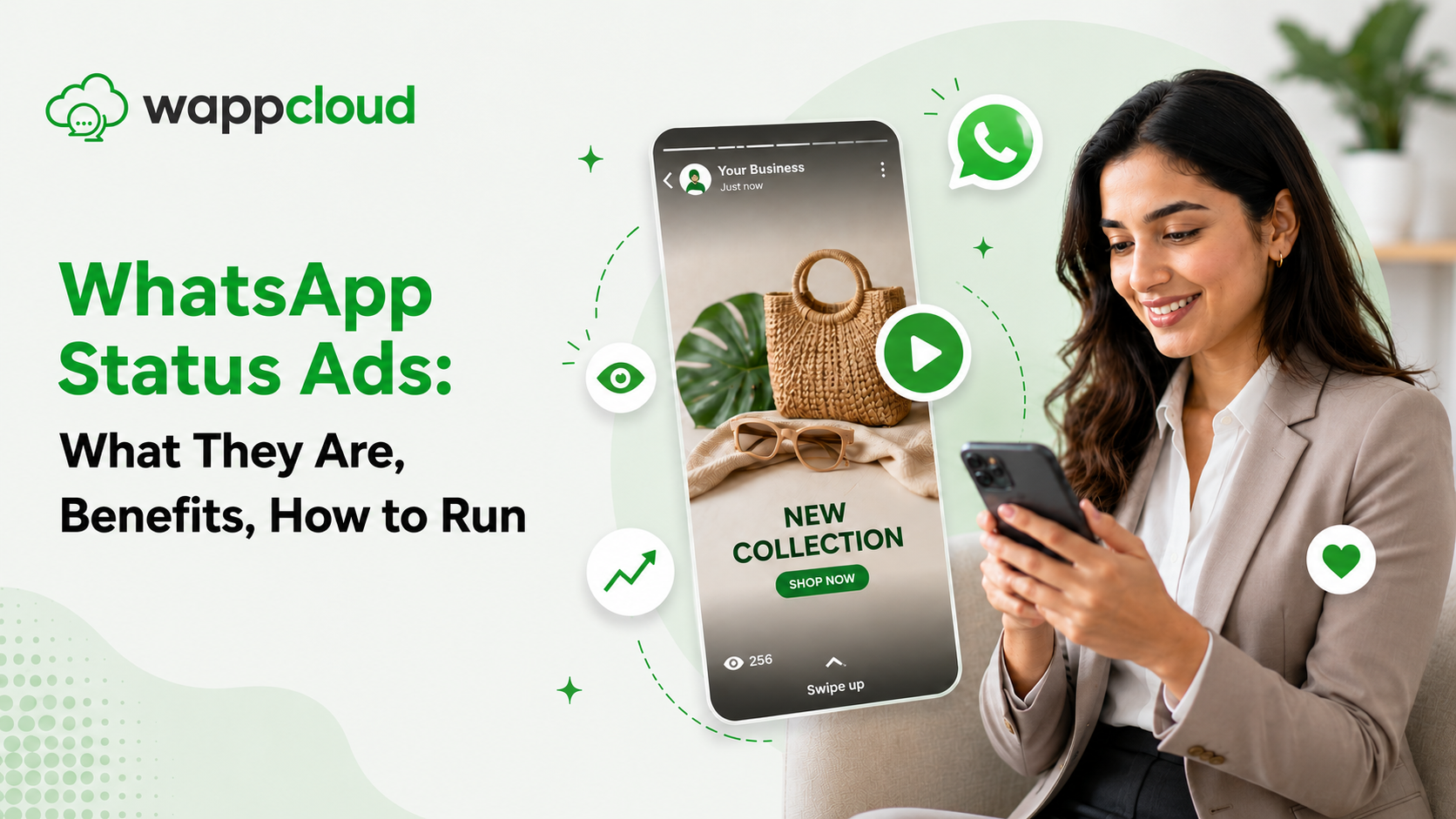
For over a decade, WhatsApp was the one major platform under the Meta umbrella that never carried a paid advertisement. Chats stayed chats, and that was the whole point. In 2026, that changed. Meta introduced WhatsApp Status Ads, a new placement that puts full-screen, tap-to-chat advertising directly inside the Status section of the world's most-used messaging app.
For businesses that already rely on WhatsApp to talk to customers, this isn't a minor product update. It's a new front door into conversations with people who are already paying attention.
I've been watching this rollout closely, partly because of the work I do, and partly because it's rare to see a platform this size open up a genuinely new advertising surface. Most "new ad placements" are just existing formats repackaged into a slightly different feed. This one isn't. It changes where the conversation starts, not just where the ad is shown.
What Exactly Is a WhatsApp Status Ad?
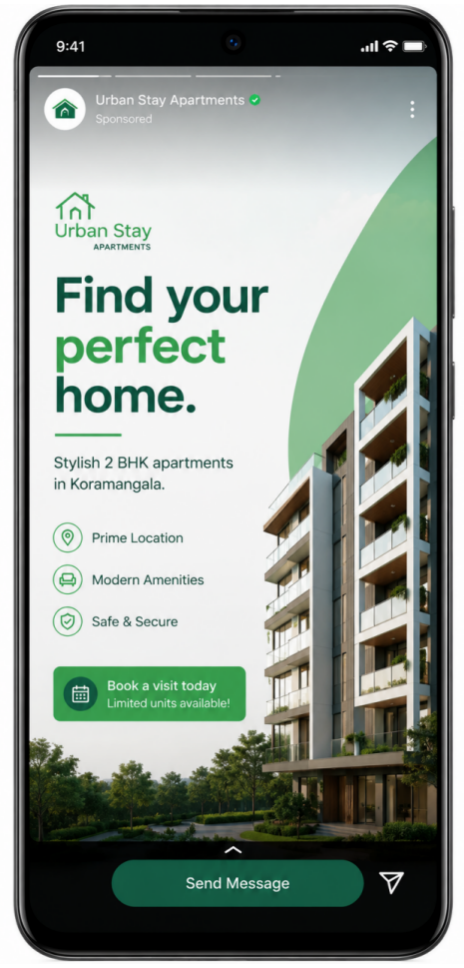
A WhatsApp Status Ad is a full-screen, vertical ad that appears between the organic Status updates a user is already viewing — the same 24-hour photos, videos, and text posts their contacts share every day. There's no separate feed to build for it and no new app to learn. Businesses create these ads inside Meta Ads Manager, the same tool many of us already use for Facebook and Instagram campaigns, and simply choose WhatsApp Status as the placement.
The format itself is intentionally simple. One clear visual, a short message, and a single call-to-action, almost always "Send Message." Tap it, and you're inside a live chat with the business. No landing page, no form, no extra click. That directness is the entire value proposition.
It's worth distinguishing this from Click-to-WhatsApp Ads, which many businesses already run on Facebook and Instagram. Those ads live outside WhatsApp and only pull a user into a chat after they click. Status Ads, by contrast, live natively inside WhatsApp itself, reaching people who are already in a browsing mindset within the app. The two aren't competitors — used together, they cover both the discovery stage and the in-app attention stage of the same funnel.
Why This Placement Is Worth Paying Attention To
The appeal comes down to reach, friction, and intent, three things that rarely align this well in a single ad format.
On reach
WhatsApp Status is checked daily by a huge share of the platform's user base, and until now, that space has been essentially free of advertising. Compare that to Instagram or Facebook feeds, where users have long since learned to scroll past anything that looks like a sponsored post.
On friction
There isn't any. Most digital ads still ask a user to leave what they're doing, load a new page, and often fill out a form before anything resembling a conversation happens. A Status Ad skips all of that. One tap, and the user is already talking to your business.
On intent
A person who taps a Status Ad has made an active decision to start that conversation. They're not a passive click being counted toward a reach metric. That single distinction tends to make everything downstream, from response rates to actual conversions, meaningfully easier.
"The businesses that win with this format won't be the ones who spend the most. They'll be the ones who respond the fastest."
There's also a privacy dimension worth noting, because it shapes how receptive users are to the format in the first place. Ads only appear in the Updates tab, inside Status and Channels, and never inside private chats, group conversations, or calls. Targeting draws on limited signals such as general location and language rather than message content. Meta built this rollout carefully, and that caution is part of why the format has been met with less resistance than a typical new-ad-placement launch usually gets.
How Businesses Are Setting Up Their First Campaigns
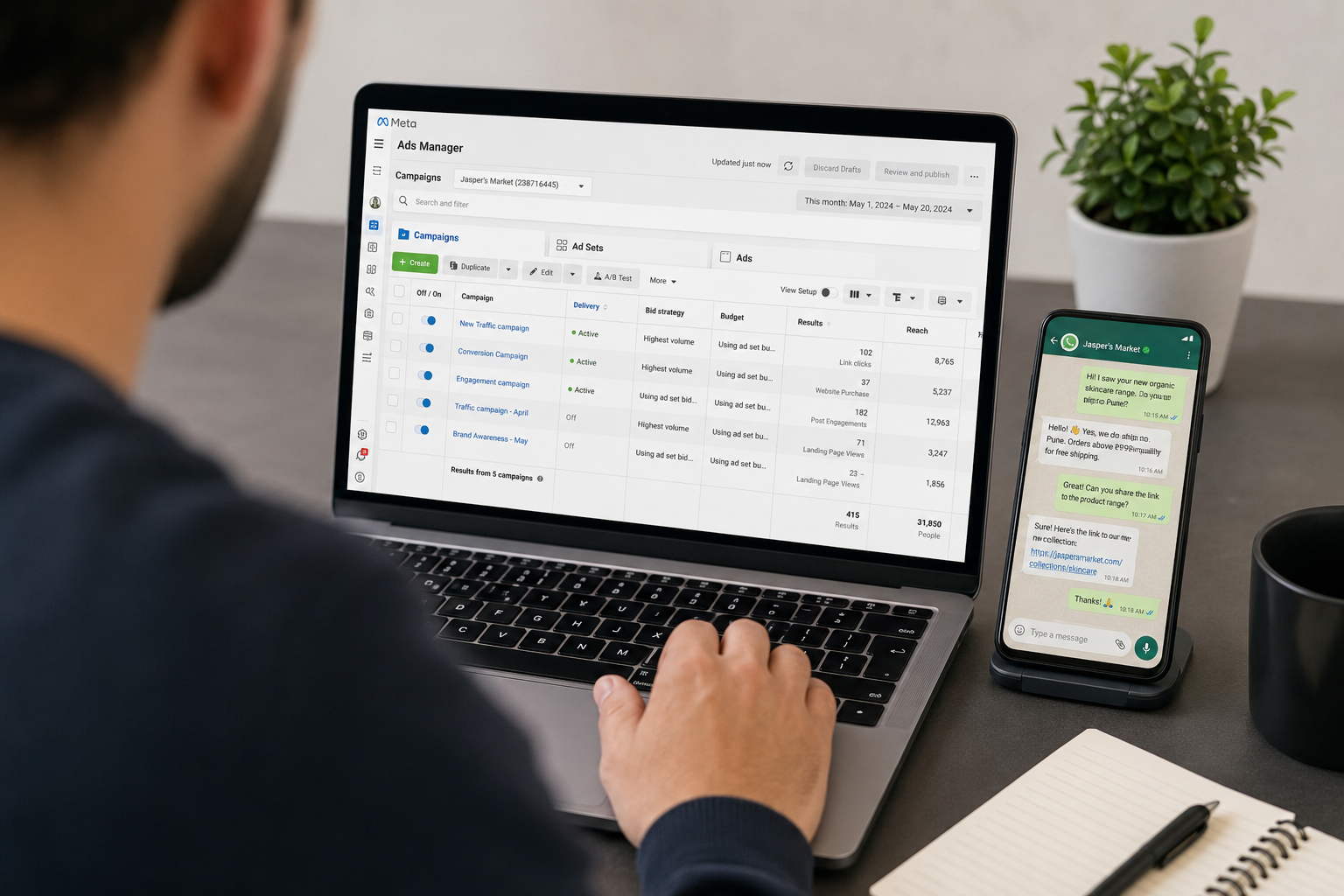
The setup process is close enough to a standard Meta ad campaign that most marketing teams won't need to learn anything new. A WhatsApp Business account, connected to a Facebook Page, is the starting point, since personal numbers aren't eligible. From there, it's a familiar flow inside Meta Ads Manager: choose the Messages objective so delivery optimises toward conversations rather than clicks, select WhatsApp Status as a manual placement rather than leaving automatic placements on, and build a vertical creative at 1080 x 1920 pixels.
Targeting and budget work exactly as they do for any other Meta campaign, by location, age, gender, device, and daily or lifetime spend. The one meaningful shift in mindset is what happens after launch. Because this format is still new, delivery tends to improve noticeably once the algorithm has a week or so of engagement data to work with, so early patience pays off.
The Part Most Businesses Underestimate
Getting the tap is the easy half. What happens in the seconds and minutes after someone opens that chat is where campaigns are actually won or lost.
A Status Ad conversation is, by definition, a warm one. The person chose to reach out. But that advantage evaporates quickly if the reply is slow, generic, or simply doesn't come. This is precisely where the operational side of WhatsApp marketing starts to matter as much as the creative side.
Platforms like WappCloud exist for exactly this moment: automating the first response so no lead waits, routing conversations to the right team member, and keeping every Status Ad conversation organised in a single place instead of scattered across individual phones. For a business running these ads at any real scale, that layer of automation isn't a nice-to-have. It's what determines whether the ad spend converts into revenue or quietly evaporates.
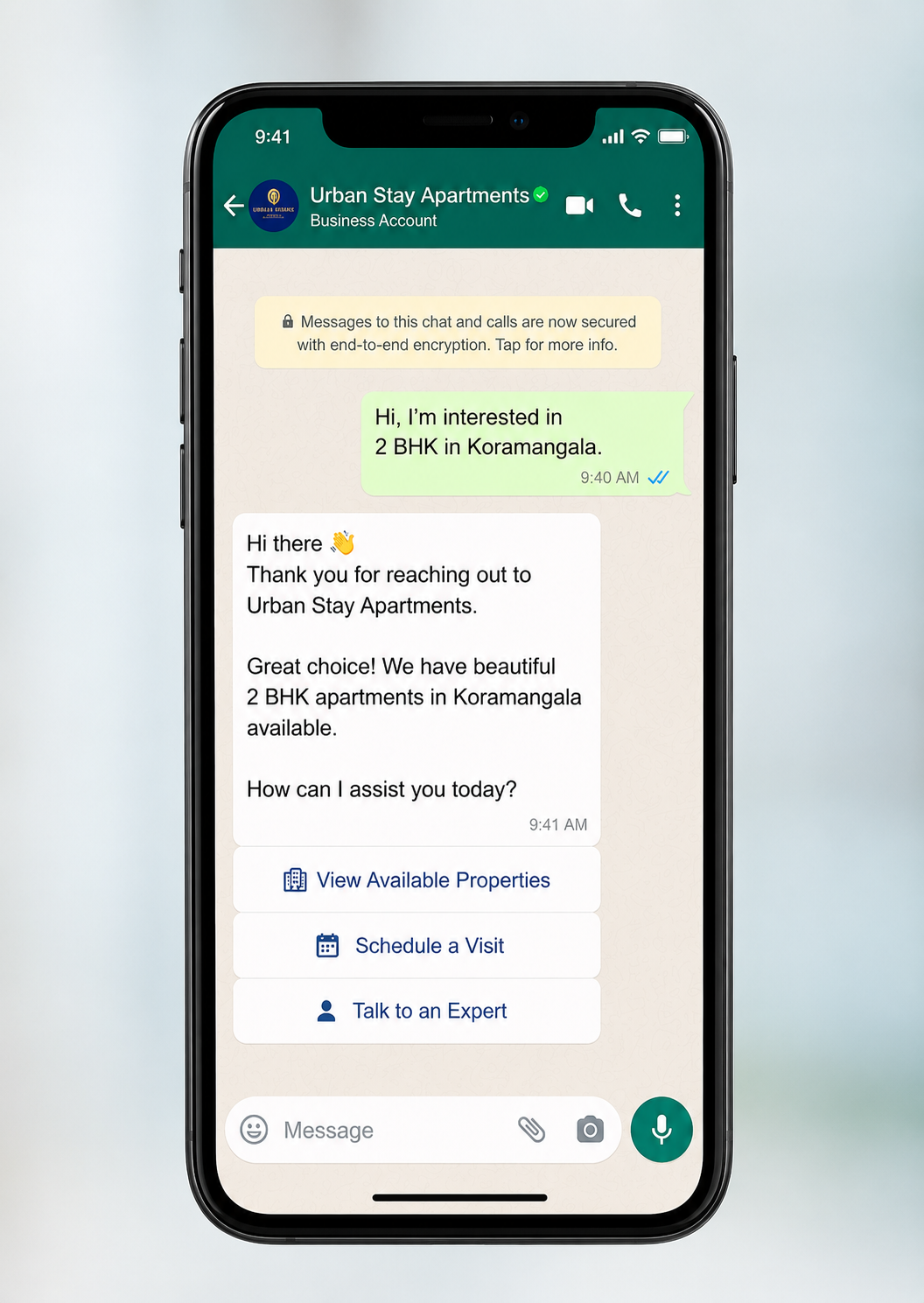
The metric worth tracking here isn't cost per click. It's cost per conversation, paired with response time and how many of those conversations actually turn into a sale. A cheap conversation that gets a slow reply is a wasted one.
Where This Is Headed
WhatsApp Status Ads represent a genuine shift in how advertising works on a platform that spent a decade deliberately avoiding it. For businesses that already treat WhatsApp as a serious customer channel, this is the natural next step: paid reach that lands directly inside the same conversations your team is already having.
The opportunity is real, and it's early. The businesses that move now, with a clear creative approach and the right systems in place to manage what comes after the tap, will have a genuine head start over the ones still treating WhatsApp as an afterthought.
Ready to turn WhatsApp Status Ad conversations into real customers? Discover how WappCloud can help you automate, route, and manage every conversation your next campaign generates.